Four Nights West Get the Timetable Guide
VIA Rail · The Canadian · Toronto → Vancouver

One train. Four nights. 4,466 km with nothing to steer.

The Canadian isn't a route you plan — it's a fixed timetable you either book or miss. This guide exists to answer the questions that decide whether the trip works for you: which class actually gets you a bed, when the train sells out, and what the seven big stations along the way are actually like.

4,466 kmToronto to Vancouver
~97 hrsWestbound, on average
2–3×Departures per week
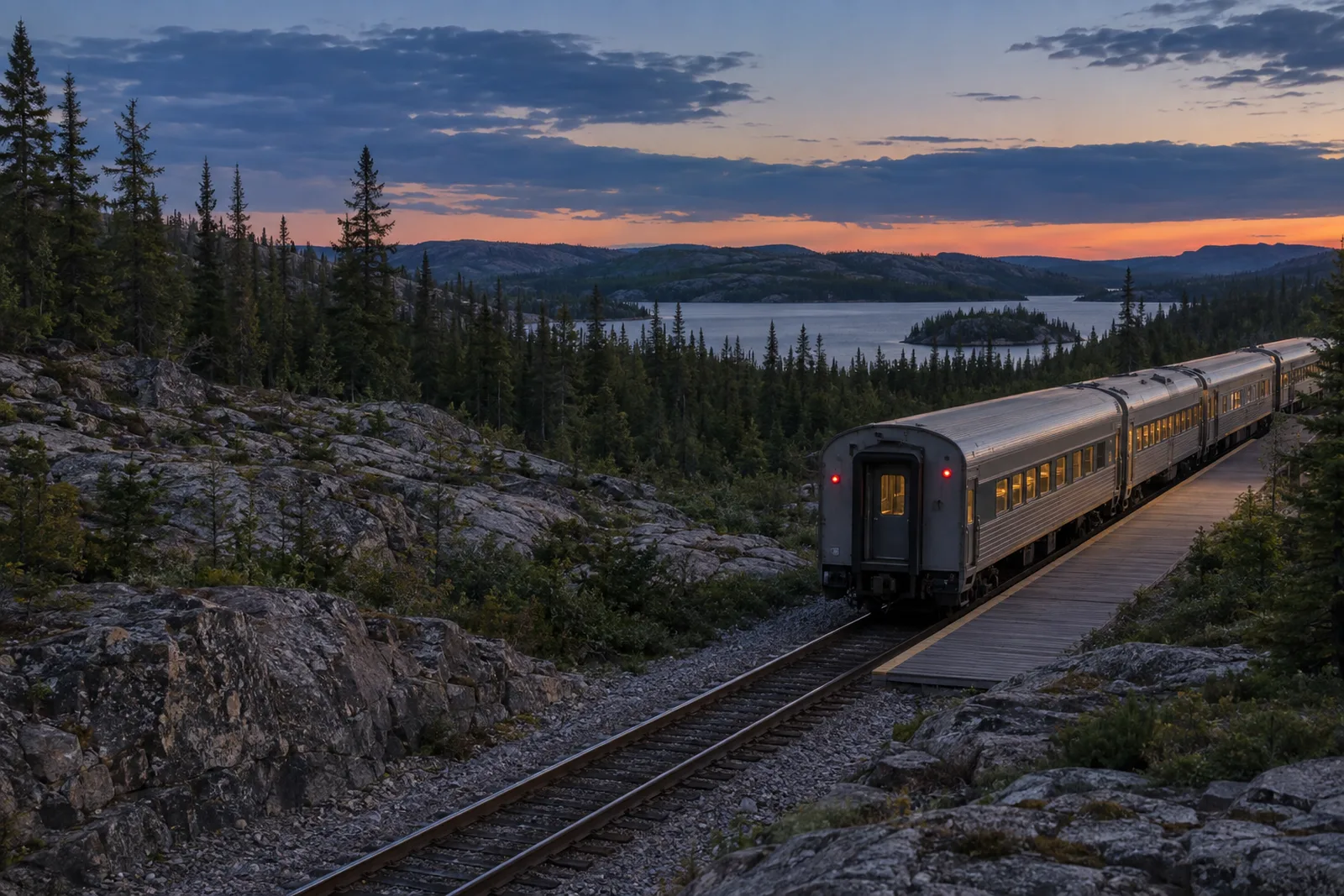
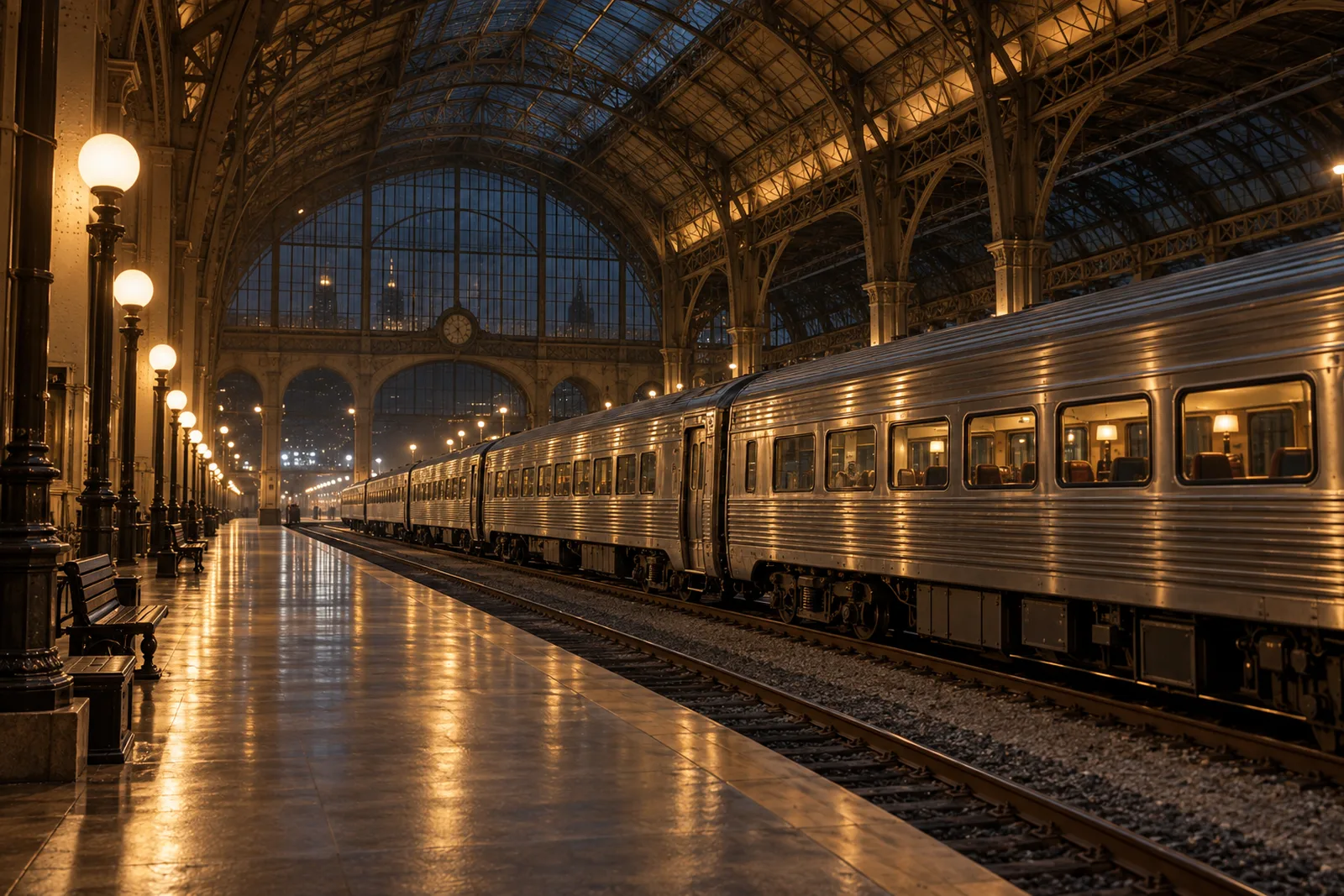
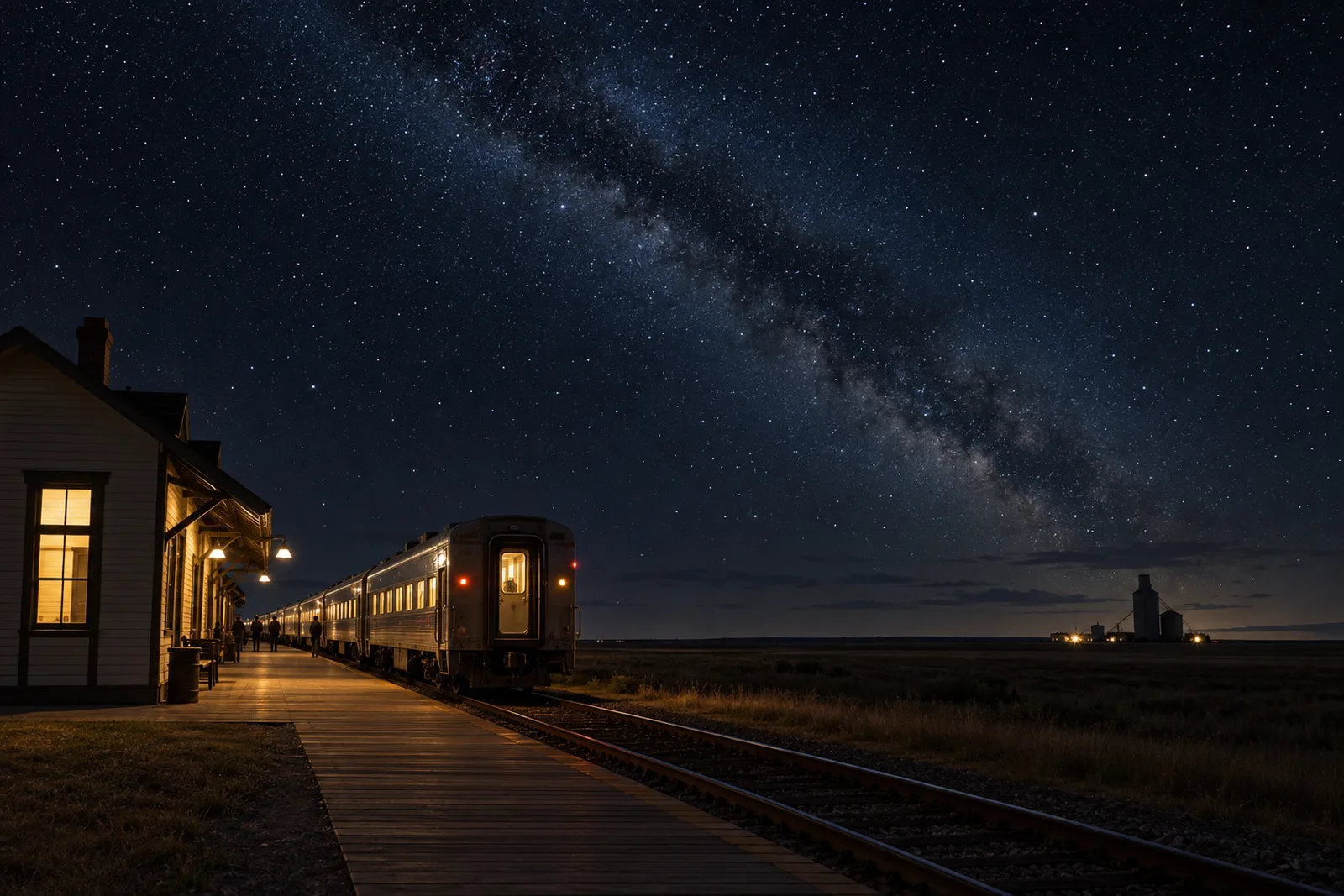
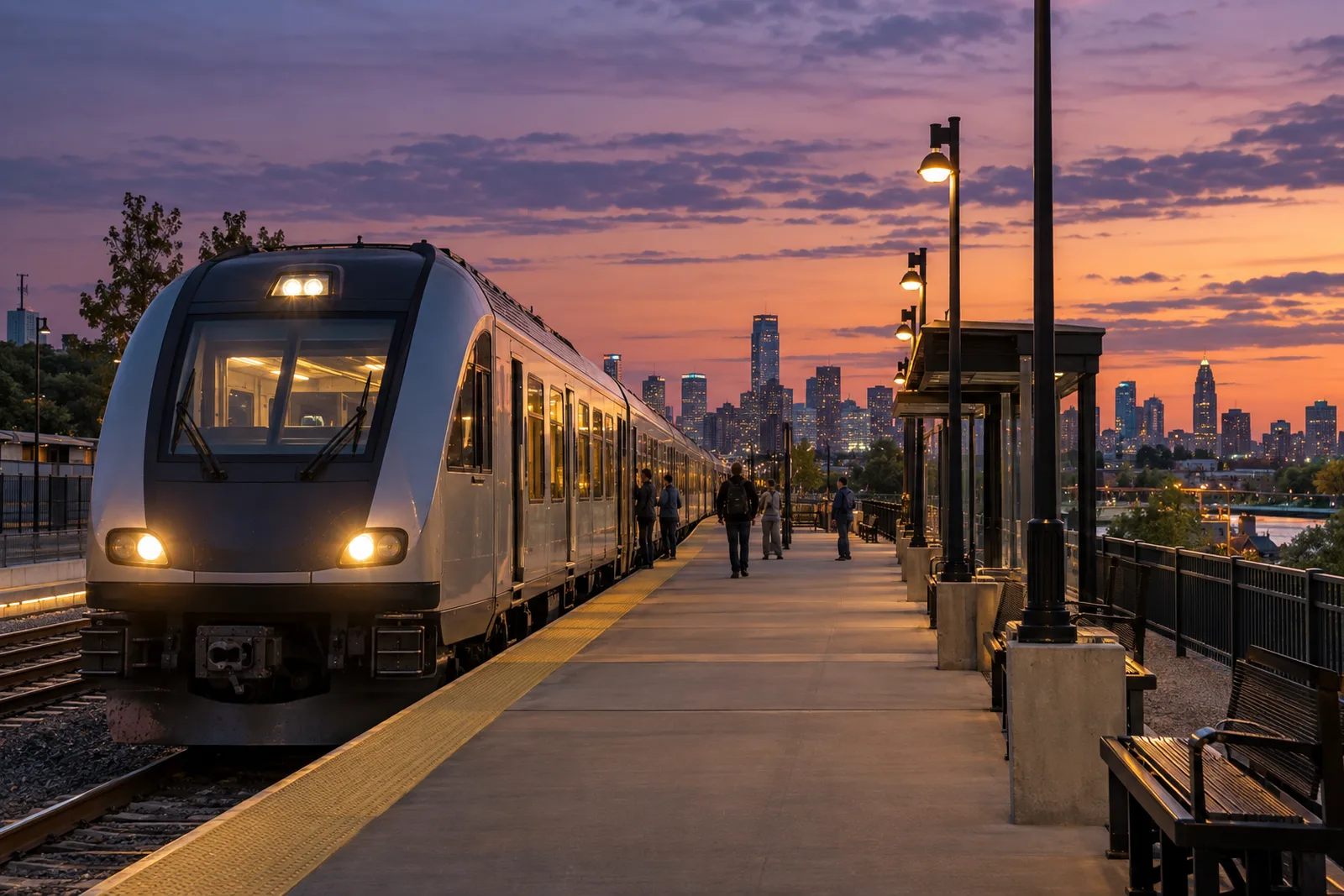
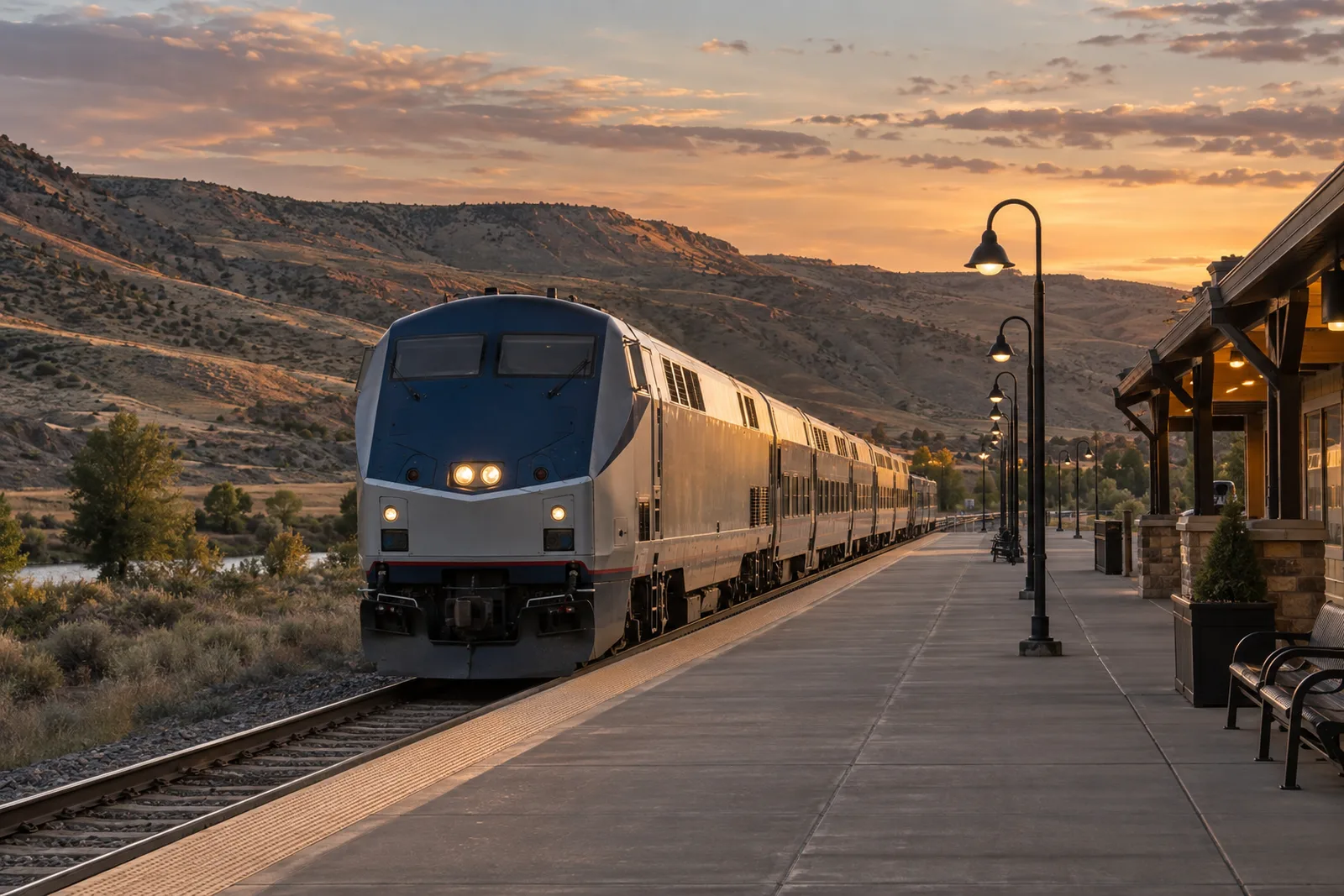
A stainless-steel VIA Rail passenger train departing a city station platform at dusk
The timetable, station by station

Eight stops, four days, one direction

This is the actual westbound board — real stations, real day-of-journey markers. Tap one to jump to what it's actually like to arrive there.

Distances and days are approximate — VIA Rail schedules run on time windows, not exact clock times, and freight priority on shared track can shift arrivals by hours in either direction.

Seven stations, in detail

What's actually worth knowing at each one

Most of these are brief service stops, not sightseeing stops — knowing which is which changes how you plan the trip.

Three ways to make the trip

The class you book decides the trip you get

Economy, Sleeper Plus and Prestige aren't just comfort tiers — they change whether you get a bed, a shower, or a dining-car seat at all. Full comparison on the Classes & Cabins page.

Economy

From roughly CA$400–900
  • Reclining seat, no bed
  • Skyline dome car access (day use only)
  • Meals purchased separately in the Skyline take-out area

Sleeper Plus

CA$1,200–$4,500, season-dependent
  • Berth or private cabin, made up nightly
  • All three meals included in the dining car
  • Skyline dome + scheduled evening access to the Park car

Prestige

Roughly double Sleeper Plus
  • Cabin ~50% larger, private bathroom with shower
  • All-inclusive bar
  • All-day exclusive access to the Park car
By the numbers

The equipment is older than most of the people riding it

A handful of facts that explain why this train feels different from a modern one — because most of it genuinely isn't.

1955Year the stainless-steel fleet was built by Budd in Philadelphia
15–20Cars in a typical consist, more added for summer demand
CA$4.7BFederal investment announced Sept. 2026 for 313 new Canadian-built cars

The cars themselves have been in continuous service since Canadian Pacific introduced them on this same route in 1955, transferring to VIA Rail in 1978 — shot-welded stainless steel is why they haven't needed replacing until now. The new fleet announced in September 2026 will eventually replace them, but no firm date has been set for when today's 70-year-old cars actually retire.

Before you book

Is this trip actually for you?

Four nights on a fixed schedule with no way to speed it up isn't the right trip for everyone — here's the honest version.

This is a good fit if…

  • The train ride is the vacation, not just transport to one
  • You genuinely dislike flying, or want to see the country pass by rather than fly over it
  • Your dates are flexible enough to absorb a schedule that can slip by hours
  • You don't need connectivity for four days

Book a flight instead if…

  • You have a fixed commitment at the other end — freight priority on shared track means arrival times are estimates, not guarantees
  • Budget is tight — a Sleeper Plus berth costs several times an economy flight for the same route
  • You're travelling with young children for the full four nights
  • You get restless without a change of scenery more than once every several hours
Same route, different train

The Rockies segment looks like a different corridor by season

Day 4's daylight run through the Yellowhead Pass is the same rail line year-round — the scenery on either side of the window is not.

A silver passenger train winding through the snow-covered Canadian Rockies in winter, frosted evergreen forest and a frozen river alongside the tracks
Winter — snow through the pass, but the shortest daylight window of the year to see it in
The same kind of mountain rail line in early autumn, golden larch trees mixed with dark evergreens against snow-capped peaks
Late September — golden larch season through the high country, one of the shortest scenic windows on the whole route
Book Sleeper Plus for July–August months ahead, not weeks.

Sleeper cabins on the Toronto–Vancouver run regularly sell out for peak summer departures six or more months in advance, and popular double-bedroom cabins go first. If you have fixed dates in July or August, that's the actual constraint on this trip — not the itinerary.